
When you close your eyes and think of East Africa, what comes to mind? For many, it’s golden savannahs dotted with acacia trees, or perhaps mist-covered mountains rising above the clouds. East Africa’s landscapes are as diverse as they are dramatic—each one setting the stage for unforgettable adventures and photo opportunities.
This isn’t just a list of pretty places. It’s a curated guide to the most awe-inspiring backdrops Tanzania and Kenya have to offer. These are the views that will make you put down your binoculars and just… breathe.
1. The Serengeti Plains – Tanzania
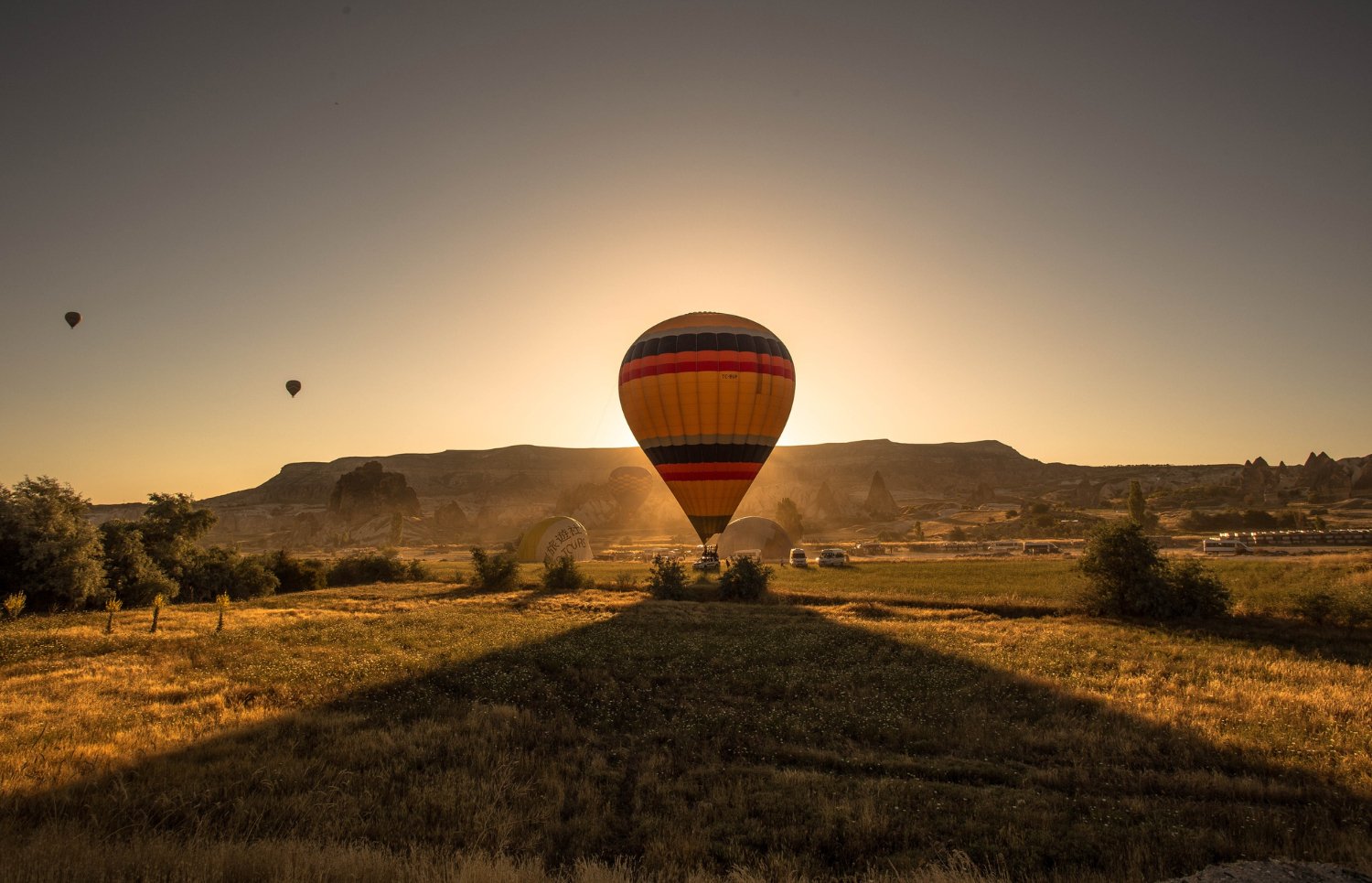
The Serengeti isn’t just a wildlife haven—it’s a vast, endless horizon that seems to stretch into infinity. Whether you’re watching the Great Migration from a hot air balloon at sunrise or witnessing a storm roll across the plains, the scale is humbling.
Best Time for Landscapes:
June–October for golden grasses and clear skies.
November–May for lush greenery and dramatic cloud formations.
Photography Tip:
Use a wide-angle lens to capture the expanse, and always include a focal point—a lone tree, a grazing herd, or a storm cloud.
2. Ngorongoro Crater – Tanzania
Descending into the Ngorongoro Crater feels like entering another world. This UNESCO World Heritage site is the world’s largest intact volcanic caldera, a natural amphitheater teeming with life. The crater floor is a mosaic of grasslands, swamps, and acacia woodlands, all framed by steep, misty walls.
Why It’s Unique:
The sheer concentration of wildlife against such a dramatic geological backdrop is unmatched. You can see everything from flamingo-filled lakes to dense forests, all within a 20-kilometer-wide bowl.
3. Mount Kilimanjaro – Tanzania
Africa’s highest peak stands alone—a snow-capped giant rising from the flat plains below. Whether you’re climbing it or admiring it from Amboseli National Park in Kenya, Kilimanjaro commands attention.
Best Views:
-
From Amboseli National Park (Kenya) at sunrise.
-
From the Shira Plateau on day two of the climb.
Fun Fact:
Kilimanjaro is a “stand-alone” mountain, not part of a range, which makes its appearance even more dramatic.
4. Amboseli’s Marshes & Views – Kenya
Amboseli is famous for its elephants, but its landscapes are equally stunning. The park lies in the shadow of Kilimanjaro and features seasonal swamps that reflect the mountain perfectly on clear, still mornings.
Photography Tip:
Visit the Observation Hill for a panoramic view of the swamps and herds below, with Kilimanjaro reigning supreme in the background.
5. Hell’s Gate National Park – Kenya
Hell’s Gate offers a completely different landscape—towering cliffs, deep gorges, and geothermal steam vents. It’s one of the few parks where you can explore on foot, bike, or even rock climb.
Why It’s Unique:
The park’s dramatic rock formations were the inspiration for Disney’s The Lion King. Walking through the narrow Fischer’s Tower gorge feels like stepping into a geological wonderland.
6. Tsavo’s Red Earth & Mzima Springs – Kenya
Tsavo is Kenya’s largest park, famous for its “red elephants” dusted in ochre soil. The contrast between the red earth, green palms, and blue waters of Mzima Springs is surreal.
Don’t Miss:
The underwater viewing tank at Mzima Springs, where you can watch hippos and fish through glass windows.
7. The Chyulu Hills – Kenya
Often called the “Green Hills of Africa,” the Chyulu Hills are a range of volcanic hills covered in emerald-green vegetation. They’re younger than Kilimanjaro and offer lush, rolling landscapes perfect for hiking and horseback riding.
Why It’s Special:
The hills are home to one of the world’s longest lava tubes; a subterranean cave system you can explore with a guide.